
What Is the Color Code? A Color Psychology Approach to Getting Dressed
Jan 01, 2026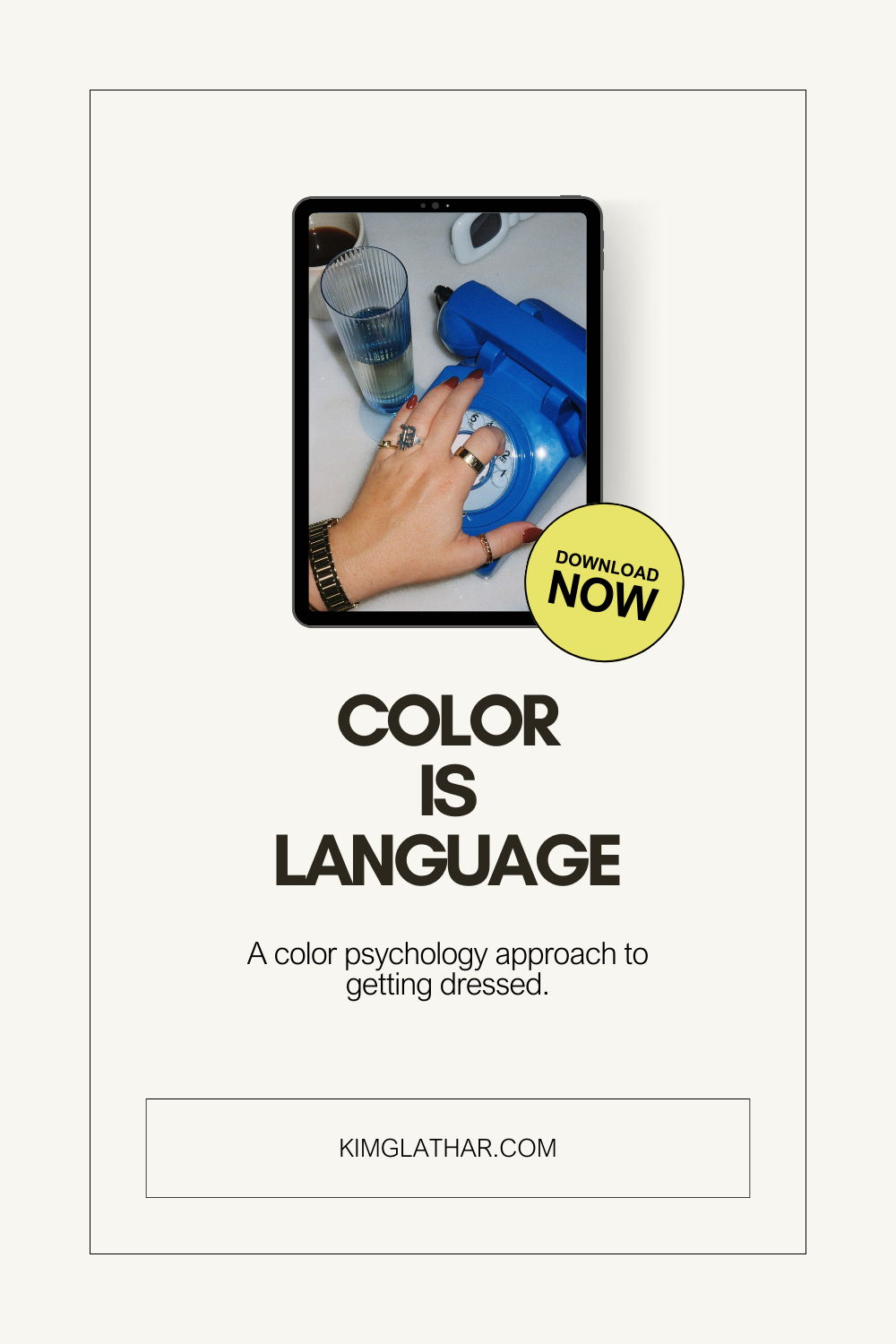
Color is language.
Before you speak, your clothing already has.
Most women were taught that color is about flattering their undertone.
What brightens your face.
What washes you out.
What “matches.”
And while harmony matters, it’s only part of the story.
Because color doesn’t just harmonize.
It communicates.
The Missing Layer in Getting Dressed
Every color carries psychological weight.
Some colors feel grounding.
Some feel calming.
Some feel authoritative.
Some feel open and warm.
You already experience this intuitively.
Black feels safe.
Bright red feels bold.
Soft blue feels calming.
That isn’t fashion.
That’s color psychology.
The problem is: most women were never taught how to use color intentionally.
So getting dressed becomes automatic instead of strategic.
You reach for what feels safe.
Not what feels aligned.
Your Features Already Hold Your Most Powerful Colors
Here’s where the Color Code becomes different.
Your most powerful colors are not random.
They already exist in your features.
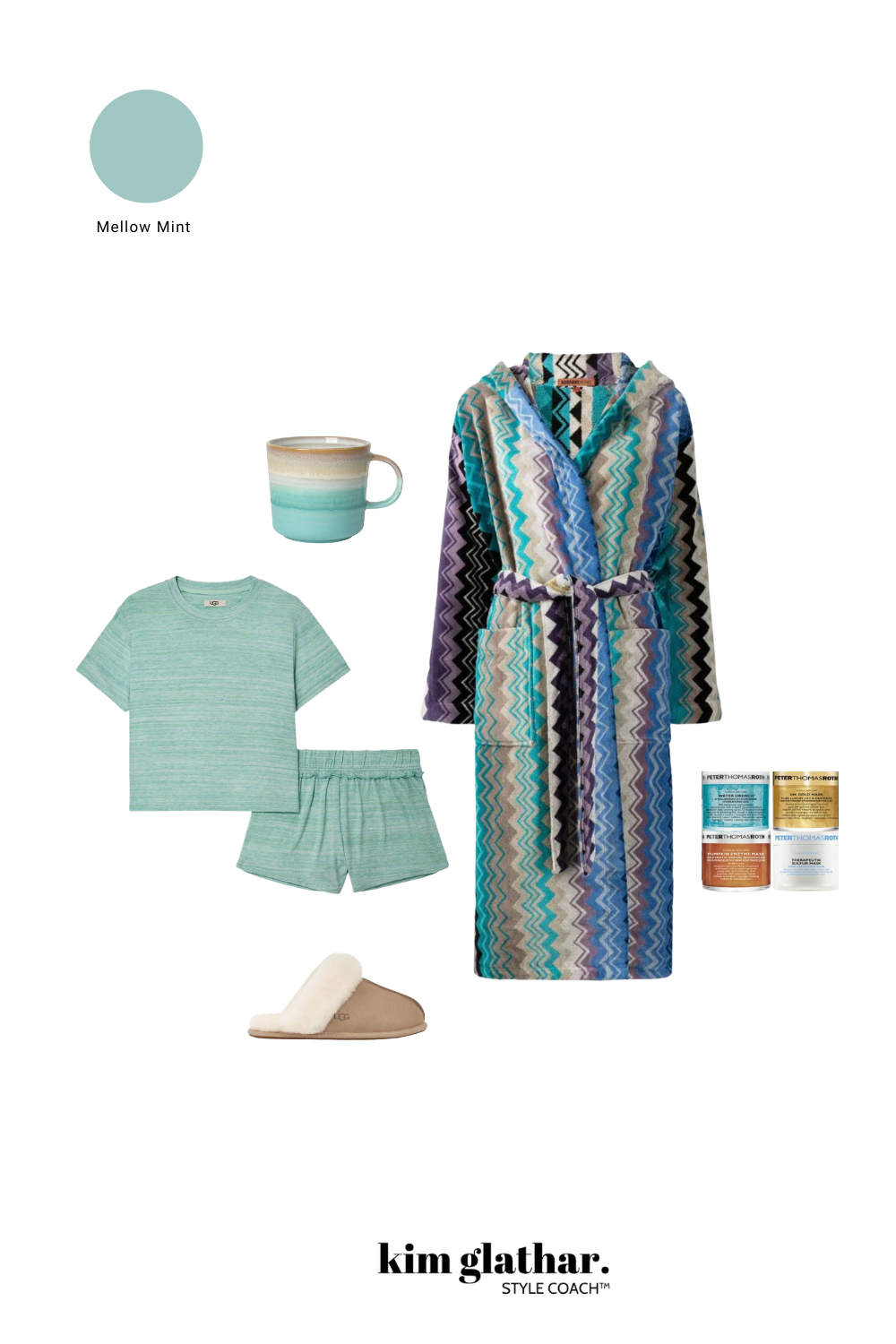
Warmth and Steadiness
The deeper tones in your hair often signal warmth and steadiness.
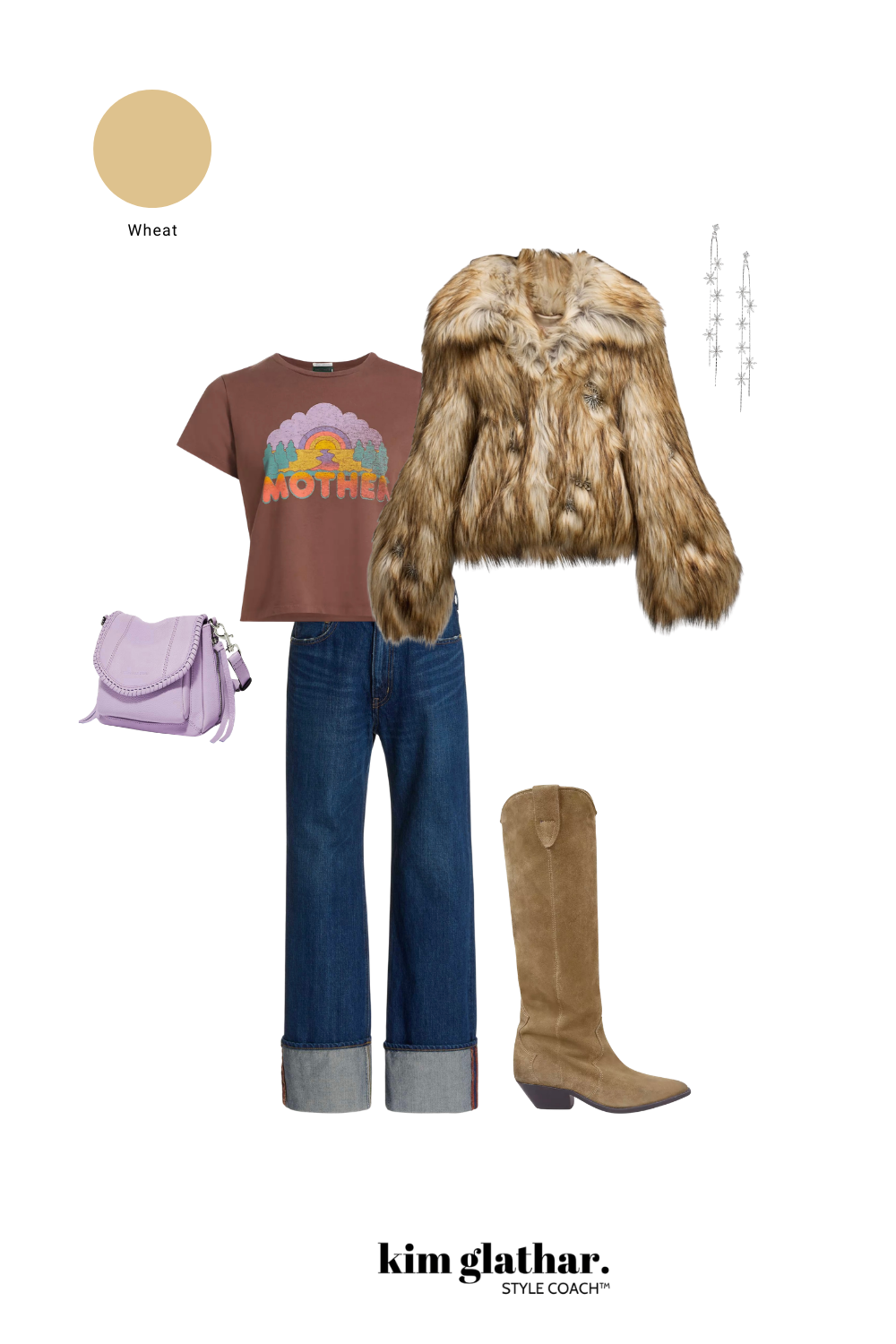
Authority & Presence
The darker ring around your iris can carry grounding authority.
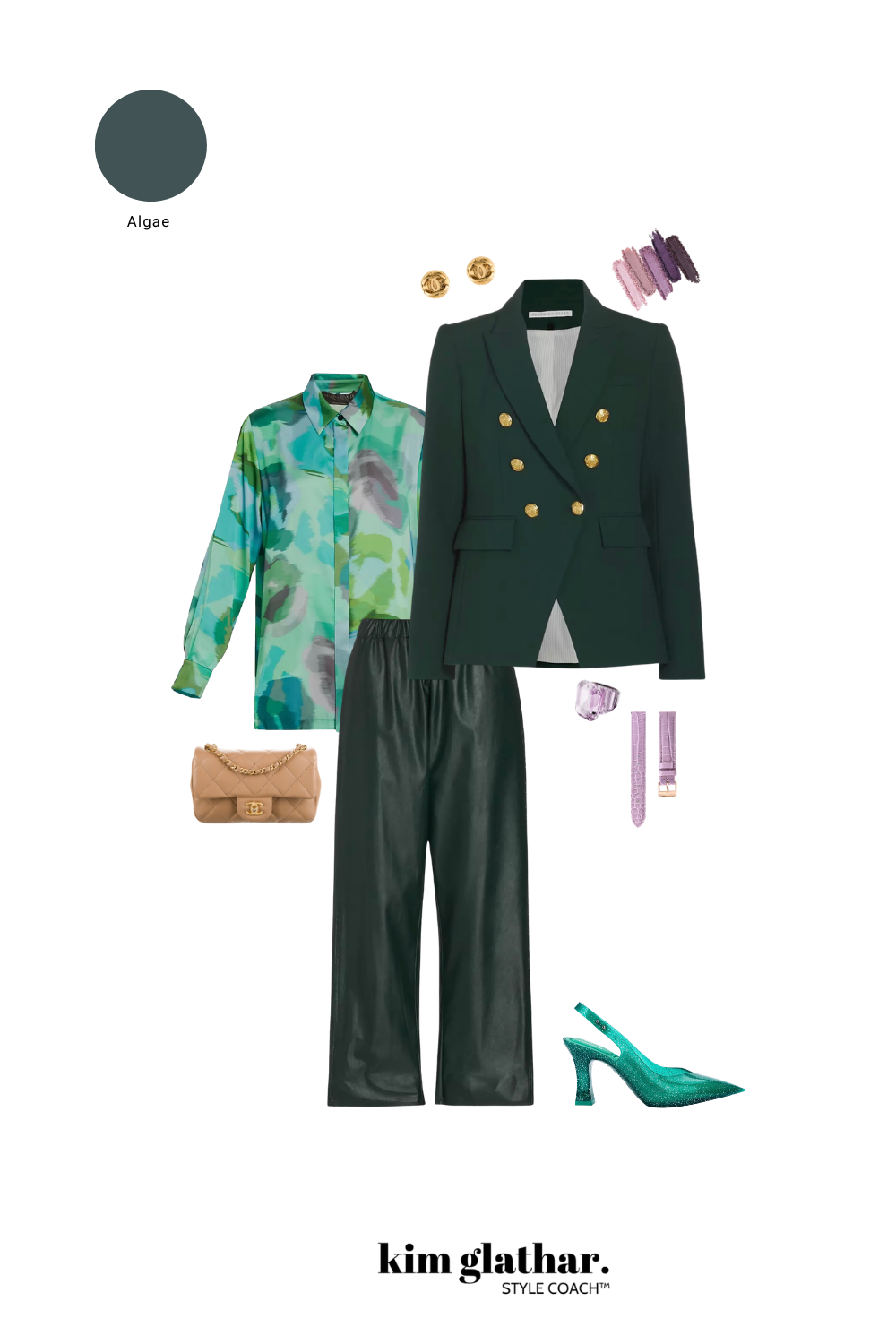
Serenity & Tranquility
The lighter tones in your eyes tend to soften and calm your presence.
Intrinsic & Honest
Even subtle tones in your skin contain emotional cues.
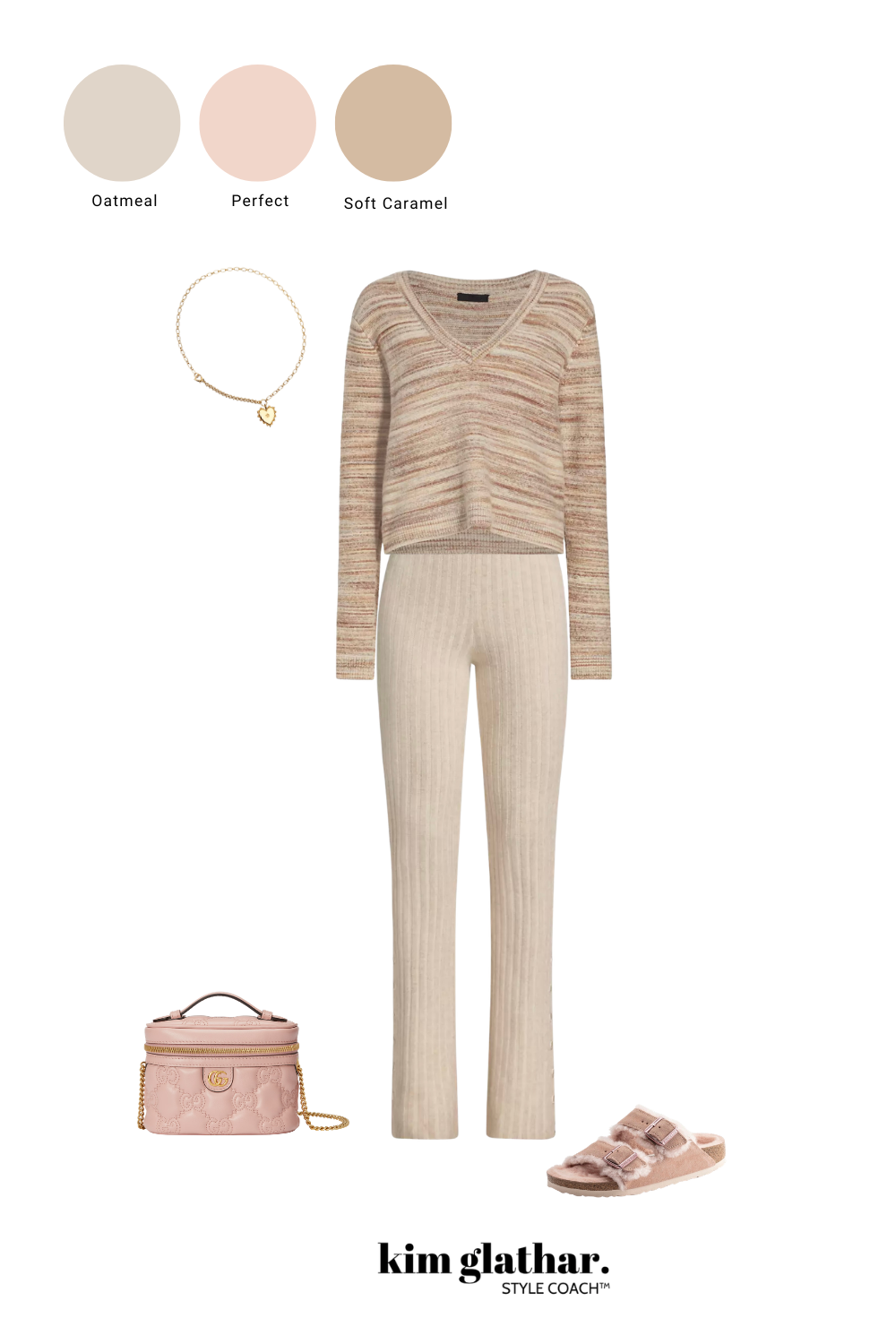
When you intentionally echo those tones in your clothing, something shifts.
You don’t look louder.
You look aligned.
You’re not adding personality.
You’re amplifying what’s already there.
That’s why it works.
So What Is the Color Code?
The Color Code is a color psychology framework for everyday dressing.
It helps you:
• Identify mood-setting colors already present in your features
• Understand what those colors communicate
• Choose outfits based on energy — not just matching
• Dress with intention instead of habit
It doesn’t replace seasonal color analysis.
It deepens it.
Seasonal color tells you what harmonizes.
The Color Code tells you what communicates.
One is about palette.
The other is about presence.
Why This Matters
When you understand color as language, getting dressed changes.
Instead of asking:
“Does this look good?”
You start asking:
“What message am I sending?”
“How do I want to feel today?”
“What energy does this moment require?”
Color becomes a tool.
For identity alignment.
For emotional regulation.
For nonverbal communication.
Not louder.
Just clearer.
If You Want to Learn Your Color Language
If this resonates, I created a free guide called The Color Code.
Inside, you’ll learn:
• How to identify your mood-setting colors
• What each color category communicates
• How to begin experimenting in real life
It’s not about trends.
It’s about fluency.
You can download the FREE Color Code guide HERE:
Because getting dressed shouldn’t feel automatic.
It should feel intentional.

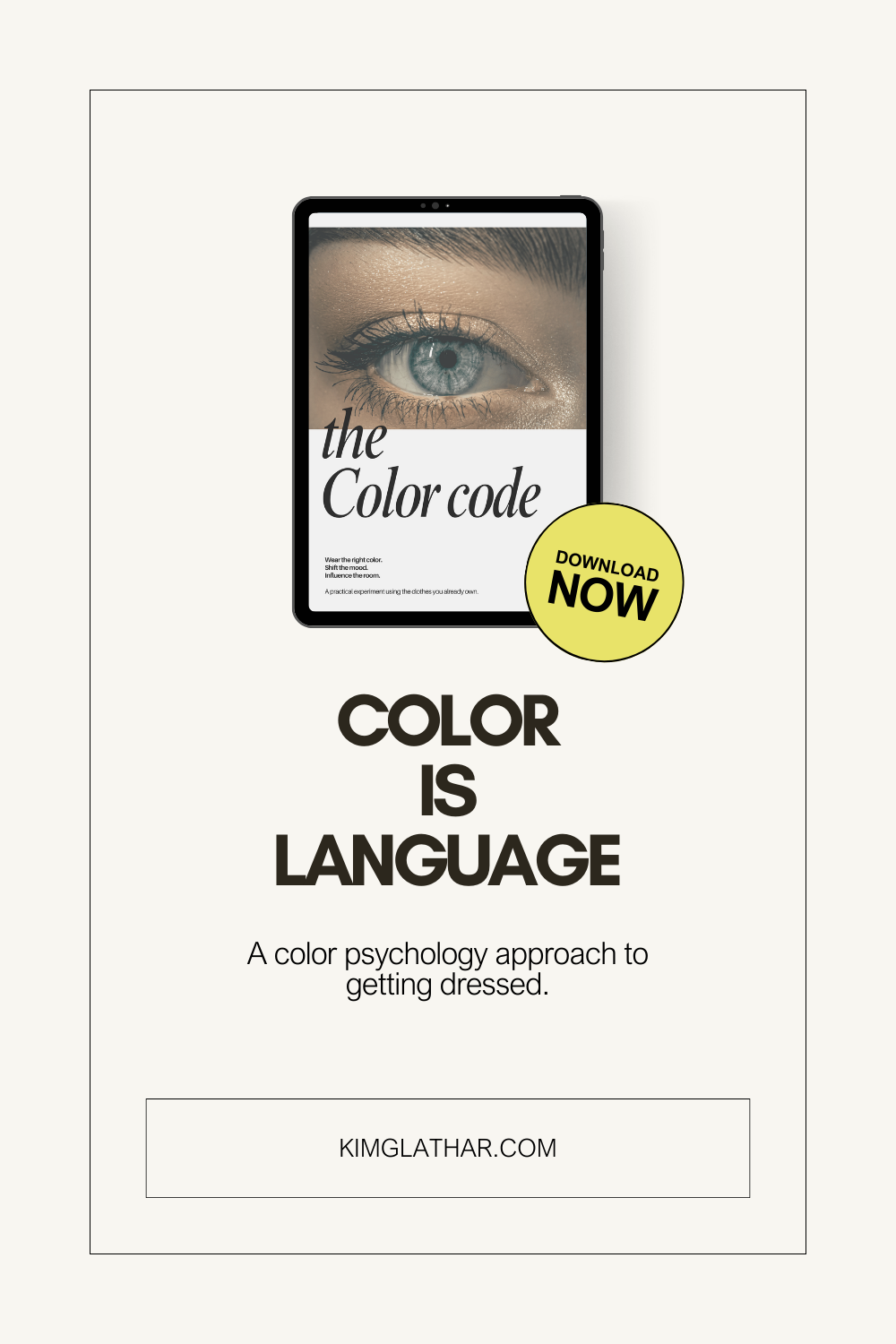
Learn Your Color Language
If you’re ready to use color psychology intentionally, download the free COLOR CODE guide and discover the mood-setting tones already present in your features.
